Nose & Sinus · In-Office Procedure
Chronic Runny Nose Treatment in Fort Worth
A constantly running nose, postnasal drip or persistent congestion can affect work, sleep and everyday comfort. Chronic rhinitis may be allergic, nonallergic or a mixture of both.
Treatment starts by identifying the pattern and matching medication to it. For symptoms that remain troublesome, Dr. Fewins offers posterior nasal nerve treatment with the Neuromark system as an office-based option.
Chronic runny nose treatment — the short version
- What it does
- Uses radiofrequency energy to calm the overactive posterior nasal nerve driving chronic drip and congestion.
- Who may benefit
- Patients with 6+ months of runny nose or congestion, allergic or nonallergic, not adequately controlled by sprays, antihistamines, or rinses.
- What it will not fix
- The underlying allergy itself, or a structural blockage like a deviated septum or enlarged turbinates — those need their own treatment.
- Typical recovery
- 20–30 minutes in the office under local anesthesia; most return to normal activities the same day.
When a runny nose won't go away
A little congestion during allergy season is normal. But it's worth seeing an ENT if you have:
- A runny or dripping nose most days for more than a few weeks or months
- Constant post-nasal drip, throat clearing, or a lingering cough
- Congestion that sprays, pills, and rinses only partly control — or don't control at all
- Symptoms whether or not you have known allergies
Nasal nerve signaling can contribute to mucus production and congestion. Allergy, irritants and other factors may also be involved, which is why the diagnosis comes before a procedure.
Allergic, nonallergic—or another cause?
Allergic rhinitis often brings itching, sneezing and symptoms around particular exposures. Nonallergic rhinitis can be triggered by temperature changes, strong smells, meals or other irritants, even when allergy testing is negative. Both can occur together.
Medications, overuse of topical decongestants, sinus inflammation and structural obstruction can also contribute. The history and examination help separate these possibilities. A negative allergy test does not mean the symptoms are imaginary or untreatable.
A constant drip has more than one possible cause, and treating the wrong one does not help. Before I recommend reducing nasal-nerve signaling, I want to know whether allergy is driving the symptoms, whether the nerve itself is an important part of the problem, or whether the real issue is structural—a deviated septum or enlarged turbinates that need a different treatment.
Dr. John Fewins
Persistent one-sided watery drainage, especially after injury or surgery, needs medical assessment rather than being assumed to be ordinary rhinitis.
What is posterior nasal nerve treatment with Neuromark?
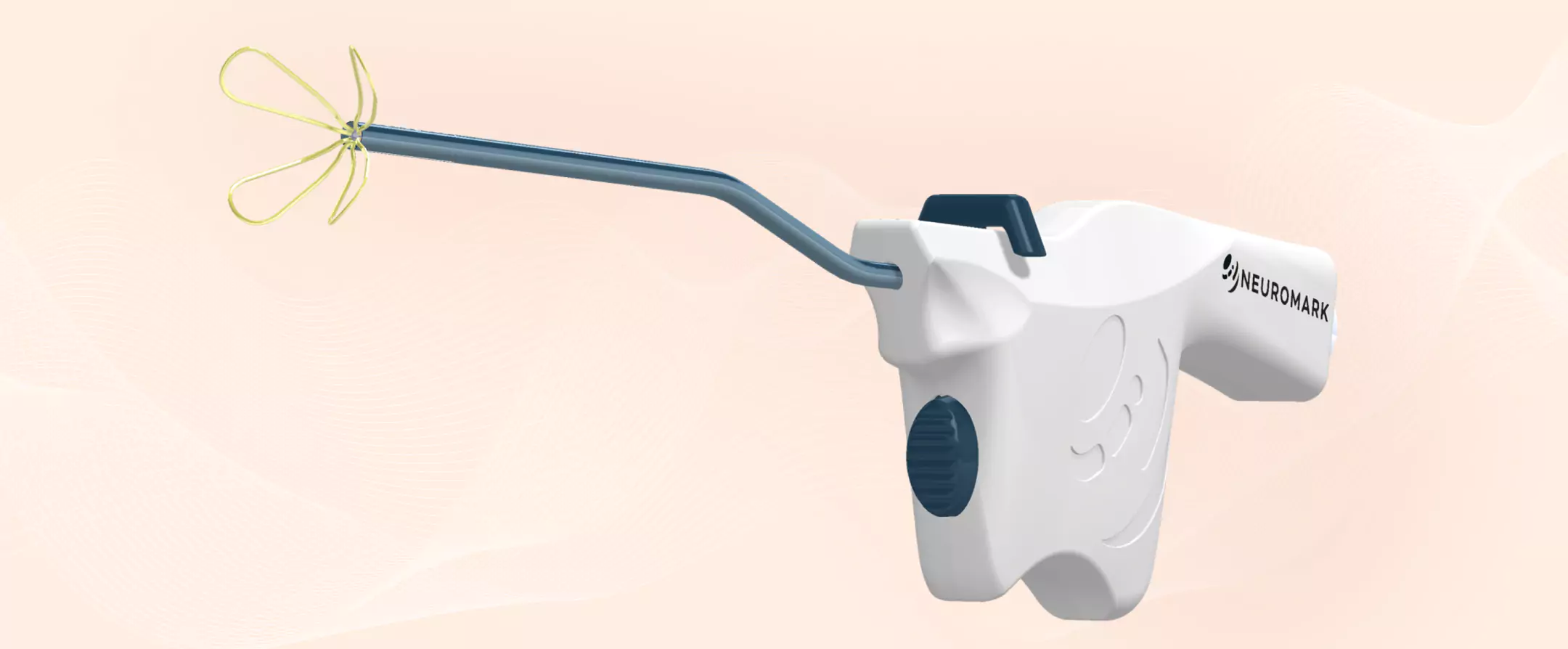
It's a short, in-office procedure that calms the overactive nerve signals driving your symptoms. Using the Neuromark System — a small wand-like device inserted through the nostril, with no incisions on your face — Dr. Fewins gently treats the nerve area with controlled, low-power radiofrequency energy. This dials down the "run" signal so your nose settles down.
The Neuromark System is FDA-cleared for the treatment of chronic rhinitis. Posterior nasal nerve treatment is recognized as a legitimate option for chronic rhinitis by the American Academy of Otolaryngology–Head and Neck Surgery, the national body for ENT specialists.
Find information for your symptoms
Our educational guide can help you explore drainage, congestion and associated symptoms.
Open the symptom guide ↗Am I a candidate?
The procedure helps patients with both allergic and non-allergic chronic rhinitis. The best way to know if it's right for you is a simple evaluation with Dr. Fewins.
May help
- Chronic runny nose and/or congestion for at least 6 months
- Not enough relief from nasal sprays, antihistamines, or rinses
- Persistent symptoms for which reducing nasal nerve signaling is a reasonable treatment option
Won't fix or reconsider first
- Allergy symptoms that haven't had a fair trial of allergy-directed treatment yet
- Congestion or drainage driven by a deviated septum or enlarged turbinates — a structural fix is the better first step
- A short-term cold or acute sinus infection, rather than a chronic pattern
Medication still has an important role
Nasal steroid sprays reduce inflammation. Nasal antihistamine sprays can help some allergic and nonallergic patterns. Ipratropium spray is particularly useful for watery drainage. Saline rinses can clear irritants and mucus.
Each medicine has a specific purpose; treatment may involve a combination. Review technique, consistency, side effects and the response before deciding that medical care has failed. Follow label or clinician instructions for decongestant sprays, because prolonged use can worsen congestion.
Posterior nasal nerve treatment is considered when symptoms remain burdensome despite appropriate care. Medication may still be useful afterward.
What happens during the procedure
It's done right in the office — no hospital, no general anesthesia.
-
Numbing
Your nose is numbed with topical medication so you're comfortable and awake.
-
Treatment
The treatment itself typically takes only about 20–30 minutes.
- Return to activity and transportation instructions depend on your treatment and medications. Follow the office’s individual guidance.
Expected benefit and limitations
Neuromark has device-specific clinical data. In the CLARITY study, 91% of participants met the study’s definition of a clinically meaningful improvement in Total Nasal Symptom Score, which combines runny nose, congestion, itching and sneezing. Participants also reported improvement in the individual symptoms, and no serious device- or procedure-related adverse events were reported.
That result describes a study population, not a promise to an individual patient. The amount of improvement and how long it lasts vary, and results from one device should not automatically be applied to every posterior nasal nerve system.
Dr. Fewins discusses your likely benefit, alternatives and risks, including discomfort, bleeding, crusting, dryness, temporary sensory changes and persistent symptoms. Continued medication or another treatment may still be needed.
What nerve treatment can change
The posterior nasal nerve carries signals involved in nasal secretion and congestion. Neuromark radiofrequency treatment targets that signaling, which can reduce drainage and congestion in appropriately selected patients when medication has not provided enough relief.
It does not cure the underlying allergy, straighten a septum, remove polyps or treat every cause of drainage. Structural obstruction and sinus disease may need different treatment. This is why identifying the dominant cause comes before deciding whether nerve treatment belongs in the plan.
Frequently asked questions
Is the procedure painful?
Your nose is numbed beforehand with topical medication, so most patients feel pressure rather than pain. Any mild soreness afterward is usually brief.
How long until I see results?
Many patients notice improvement within a few weeks as the nerve activity settles, with continued improvement over the following months.
Will I need to keep using nasal sprays?
Many patients are able to cut back on or stop their rhinitis medications after treatment, though this varies from person to person.
Does it treat allergies?
It doesn't cure allergies, but it calms the runny nose and congestion those allergies trigger — and it also helps non-allergic chronic rhinitis.
Is it covered by insurance?
Coverage varies by plan. Our office can help you check your benefits before scheduling.
Why patients choose Dr. Fewins in Fort Worth
- Board-certified ENT care in Fort Worth
- An in-office procedure — convenient, comfortable, and no operating room
- A focus on the nose and sinuses, with treatment tailored to what's causing your symptoms
- Convenient care in Fort Worth and Cleburne — and fluent Spanish spoken, so Spanish-speaking patients are cared for directly, not through a translator